
Football in Russia isn't just a summer sport. The official season begins in March, when snow still covers the ground in many regions, and continues into late autumn, when the soil starts to freeze. For clubs hosting matches under the regulations of the Russian Football Union (RFU), FIFA, and UEFA, a heated pitch has long been a mandatory requirement for stadium certification.
But electric pitch heating isn't only for professional football. Training facilities, municipal stadiums, and sports complexes also benefit from this technology. A heating system can extend the playing season by 1.5–2 months in spring and 2–2.5 months in autumn, making sports facilities operational for significantly longer each year. It's not a luxury—it's an engineering solution with clear economic benefits.
Let's take a closer look at how electric football pitch heating works, what requirements apply to the equipment, and why this technology is becoming increasingly popular.
But electric pitch heating isn't only for professional football. Training facilities, municipal stadiums, and sports complexes also benefit from this technology. A heating system can extend the playing season by 1.5–2 months in spring and 2–2.5 months in autumn, making sports facilities operational for significantly longer each year. It's not a luxury—it's an engineering solution with clear economic benefits.
Let's take a closer look at how electric football pitch heating works, what requirements apply to the equipment, and why this technology is becoming increasingly popular.
Why Does a Football Pitch Need Heating?
Extending the Playing Season
The primary purpose of a pitch heating system is to extend the football calendar. In spring, the heating system thaws the upper 15–20 cm of soil, stimulates grass growth, and prepares the pitch for the first matches of the season. In autumn, it prevents the ground from freezing, preserving surface flexibility and reducing the risk of player injuries.
Maintaining Turf Quality
For natural grass pitches, heating also serves an important agronomic purpose. Warm soil stimulates root development, while precise temperature control helps the grass recover quickly after matches.
On artificial turf, heating prevents ice formation and preserves the playing characteristics of the surface even in sub-zero temperatures.
Improving Player Safety
Frozen ground becomes hard and unforgiving, increasing stress on joints and ligaments and raising the risk of serious injuries.
A heated football pitch maintains a resilient, shock-absorbing surface throughout the match, regardless of the weather outside the stadium.
The primary purpose of a pitch heating system is to extend the football calendar. In spring, the heating system thaws the upper 15–20 cm of soil, stimulates grass growth, and prepares the pitch for the first matches of the season. In autumn, it prevents the ground from freezing, preserving surface flexibility and reducing the risk of player injuries.
Maintaining Turf Quality
For natural grass pitches, heating also serves an important agronomic purpose. Warm soil stimulates root development, while precise temperature control helps the grass recover quickly after matches.
On artificial turf, heating prevents ice formation and preserves the playing characteristics of the surface even in sub-zero temperatures.
Improving Player Safety
Frozen ground becomes hard and unforgiving, increasing stress on joints and ligaments and raising the risk of serious injuries.
A heated football pitch maintains a resilient, shock-absorbing surface throughout the match, regardless of the weather outside the stadium.
Electric Heating: How It Works
There are two primary methods of heating football pitches:
For sports facilities, electric heating offers several important advantages:
- Hydronic systems, which circulate heated fluid through buried pipes.
- Electric systems, which use specially designed heating cables installed beneath the playing surface.
For sports facilities, electric heating offers several important advantages:
- Rapid heat-up — Heating cables reach operating temperature almost immediately, eliminating the need to warm a circulating fluid.
- Precise zoning — Different areas of the pitch can be controlled independently, allowing accurate temperature management.
- Minimal maintenance — No pumps, filters, boilers, or risk of leaks.
- Full automation — Modern control systems operate automatically, continuously monitoring soil temperature and weather conditions to optimize performance and energy consumption.
System Components
A typical electric football pitch heating system consists of:
The heating cable used for sports facilities is not a residential product—it is an industrial-grade solution engineered for maximum strength and reliability. It must withstand mechanical stress during installation and long-term operation, resist deformation, and maintain stable electrical performance for decades.
- Specially designed heating cables installed in the soil at a calculated depth.
- Control panels equipped with protection and switching devices.
- Soil and ambient temperature sensors.
- An electrical power distribution system.
The heating cable used for sports facilities is not a residential product—it is an industrial-grade solution engineered for maximum strength and reliability. It must withstand mechanical stress during installation and long-term operation, resist deformation, and maintain stable electrical performance for decades.
Requirements for Heating Cables Used in Stadiums
Experience gained from sports facility projects has established several key technical requirements for heating cables used in football pitch heating systems.
1. Mechanical Strength
The cable is installed beneath the playing surface, where it will be subjected to heavy maintenance equipment, player traffic, and periodic repair work.
Its tensile strength and resistance to deformation must be significantly higher than those of residential heating cables. For professional sports applications, tensile strength can reach 1,500 N.
2. Resistance to Moisture and Aggressive Environments
The cable operates in a chemically aggressive environment exposed to soil, fertilizers, and moisture.
It should feature multi-layer insulation with a protection rating of at least IP67. The preferred solution is cross-linked polyethylene (XLPE) insulation combined with a durable outer protective jacket.
3. Stable Electrical Performance
The cable's electrical resistance should remain stable regardless of temperature changes or long-term operation.
Professional-grade heating cables typically maintain resistance within tightly controlled tolerances of +10% / –5% of the nominal value.
4. Electromagnetic Shielding
Sports venues accommodate large numbers of people, making effective cable shielding essential.
A shield made from tinned copper braid or aluminum-polyethylene tape provides reliable grounding while reducing electromagnetic fields (EMF).
5. Specific Power Output
Football pitch heating systems typically use heating cables with a specific power output of 18–32 W/m.
The exact cable rating is determined during system design and depends on the local climate, soil conditions, and the required time needed to prepare the pitch for use.
1. Mechanical Strength
The cable is installed beneath the playing surface, where it will be subjected to heavy maintenance equipment, player traffic, and periodic repair work.
Its tensile strength and resistance to deformation must be significantly higher than those of residential heating cables. For professional sports applications, tensile strength can reach 1,500 N.
2. Resistance to Moisture and Aggressive Environments
The cable operates in a chemically aggressive environment exposed to soil, fertilizers, and moisture.
It should feature multi-layer insulation with a protection rating of at least IP67. The preferred solution is cross-linked polyethylene (XLPE) insulation combined with a durable outer protective jacket.
3. Stable Electrical Performance
The cable's electrical resistance should remain stable regardless of temperature changes or long-term operation.
Professional-grade heating cables typically maintain resistance within tightly controlled tolerances of +10% / –5% of the nominal value.
4. Electromagnetic Shielding
Sports venues accommodate large numbers of people, making effective cable shielding essential.
A shield made from tinned copper braid or aluminum-polyethylene tape provides reliable grounding while reducing electromagnetic fields (EMF).
5. Specific Power Output
Football pitch heating systems typically use heating cables with a specific power output of 18–32 W/m.
The exact cable rating is determined during system design and depends on the local climate, soil conditions, and the required time needed to prepare the pitch for use.
Design and Installation: Key Considerations
System Design
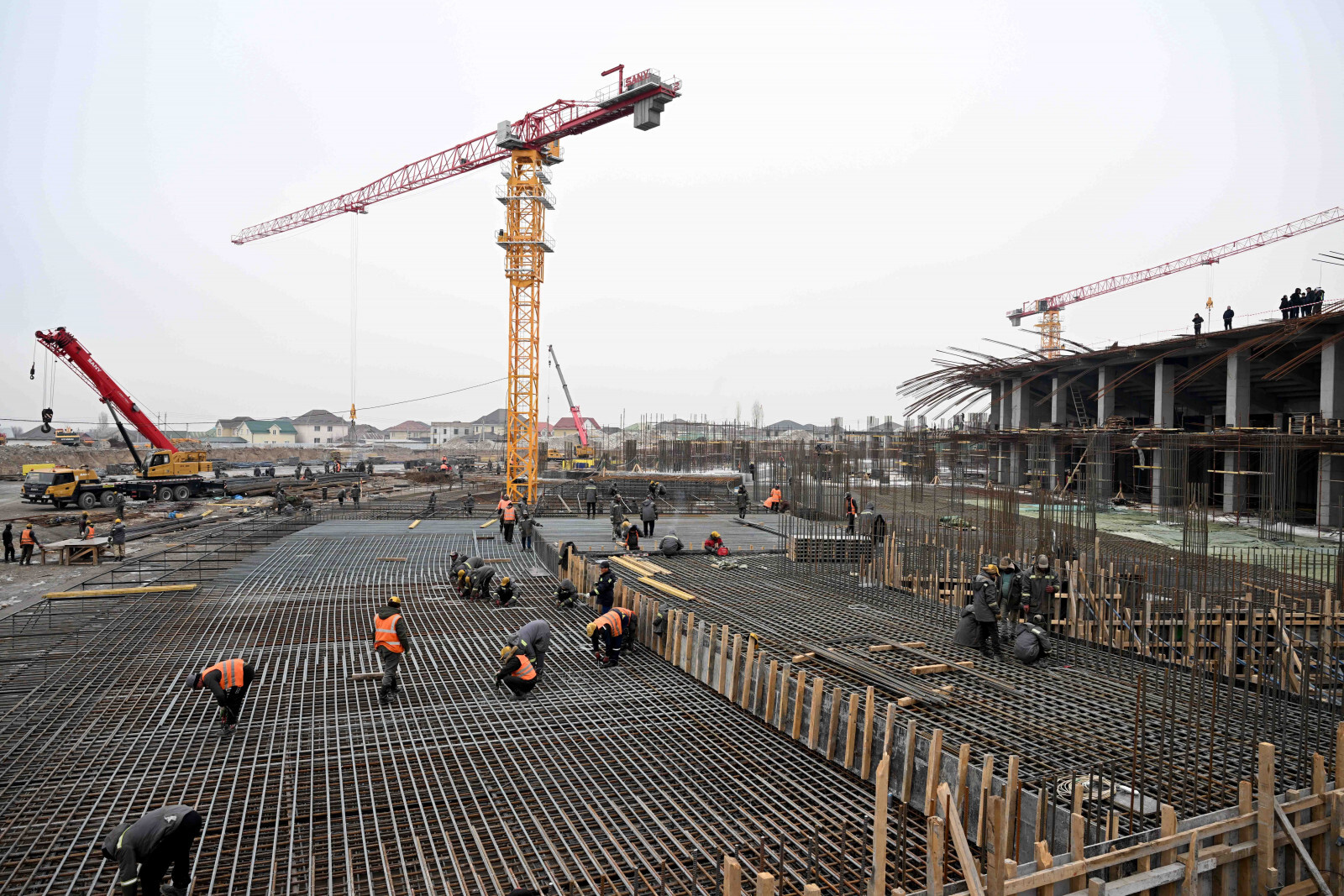
Football pitch heating is not a project that can be left to installers without detailed planning. A successful installation requires a comprehensive engineering design that includes:
Installation
Installing heating cables beneath a football pitch requires careful attention to several critical factors:
Commissioning
Before the system is put into operation, a complete series of tests is performed, including:
Only after successful commissioning is the pitch seeded with natural grass or covered with artificial turf.
Football pitch heating is not a project that can be left to installers without detailed planning. A successful installation requires a comprehensive engineering design that includes:
- Calculating the required heating output per square meter.
- Determining the optimal cable spacing.
- Dividing the pitch into independently controlled heating zones.
- Calculating electrical loads and power requirements.
- Designing the automatic control system.
Installation
Installing heating cables beneath a football pitch requires careful attention to several critical factors:
- The heating cable is installed at the calculated depth, typically 15–25 cm below the surface.
- A properly designed drainage layer is essential.
- Cable spacing must be maintained precisely to ensure uniform heat distribution across the entire field.
- All cable connections must be fully sealed using factory-manufactured joints.
Commissioning
Before the system is put into operation, a complete series of tests is performed, including:
- Insulation resistance measurement.
- Verification of conductor continuity.
- Calibration of temperature sensors.
- Configuration and testing of the automatic control system.
Only after successful commissioning is the pitch seeded with natural grass or covered with artificial turf.
Case Study: Rosseti Stadium, Moscow
The growing demand for reliable sports field heating systems is reflected in real-world projects.
One successful example is the football stadium of Rosseti in Moscow, where a CHTK electric heating system was installed beneath an artificial football pitch. A similar solution was also implemented at another mini-football facility completed by our company.
The project designers selected CHTK heating cables because of their:
The system provides uniform heating across the entire playing surface, allowing the season to begin earlier and matches to continue even under challenging weather conditions.
Years of successful operation have confirmed the reliability of the solution. The stadium consistently remains ready for play on schedule, while the quality of the playing surface is maintained throughout the season.
This project clearly demonstrates that Russian manufacturers are capable of delivering engineering solutions that meet the demanding requirements of professional sports venues.
One successful example is the football stadium of Rosseti in Moscow, where a CHTK electric heating system was installed beneath an artificial football pitch. A similar solution was also implemented at another mini-football facility completed by our company.
The project designers selected CHTK heating cables because of their:
- Ability to withstand long-term operational loads.
- Stable electrical performance in soil.
- Compliance with electrical safety requirements for sports facilities.
The system provides uniform heating across the entire playing surface, allowing the season to begin earlier and matches to continue even under challenging weather conditions.
Years of successful operation have confirmed the reliability of the solution. The stadium consistently remains ready for play on schedule, while the quality of the playing surface is maintained throughout the season.
This project clearly demonstrates that Russian manufacturers are capable of delivering engineering solutions that meet the demanding requirements of professional sports venues.
Economic Benefits
One question inevitably arises for stadium operators and municipal authorities:
How much does it cost, and is it worth the investment?
Capital Investment
The total cost of a football pitch heating system consists of three main components:
Industrial-grade heating cables are naturally more expensive than residential products. However, attempting to reduce costs by installing lower-quality cables is a false economy. Replacing an underground heating system after only a few years requires removing the playing surface and repeating major excavation work—making the long-term cost significantly higher.
Operating Costs
Modern automatic control systems optimize energy consumption by activating heating only when required.
Instead of operating according to a fixed schedule, the system continuously monitors soil temperature and weather conditions, eliminating unnecessary electricity consumption whenever heating is not needed.
Return on Investment
The greatest financial benefit comes from extending the usable period of the stadium.
Additional matches, training sessions, tournaments, and commercial events can be scheduled during months when an unheated pitch would otherwise remain out of service. For many facilities, this additional revenue significantly exceeds the operating costs of the heating system.
How much does it cost, and is it worth the investment?
Capital Investment
The total cost of a football pitch heating system consists of three main components:
- Heating cables and accessories.
- Engineering design.
- Installation work.
Industrial-grade heating cables are naturally more expensive than residential products. However, attempting to reduce costs by installing lower-quality cables is a false economy. Replacing an underground heating system after only a few years requires removing the playing surface and repeating major excavation work—making the long-term cost significantly higher.
Operating Costs
Modern automatic control systems optimize energy consumption by activating heating only when required.
Instead of operating according to a fixed schedule, the system continuously monitors soil temperature and weather conditions, eliminating unnecessary electricity consumption whenever heating is not needed.
Return on Investment
The greatest financial benefit comes from extending the usable period of the stadium.
Additional matches, training sessions, tournaments, and commercial events can be scheduled during months when an unheated pitch would otherwise remain out of service. For many facilities, this additional revenue significantly exceeds the operating costs of the heating system.
Conclusion
Electric football pitch heating is a proven technology based on sound engineering principles and a clear economic rationale. It enables stadium operators to:
The key to long-term, trouble-free operation is selecting the right equipment during the design stage. Heating cables for football pitches must be industrial-grade products offering exceptional mechanical strength, protection against environmental influences, and stable electrical performance.
CHTK's successful implementation at the Rosseti Stadium in Moscow demonstrates that Russian engineering solutions are fully capable of meeting the reliability standards required for professional sports facilities.
If you are designing a new stadium, renovating an existing football pitch, or evaluating the feasibility of installing a heating system, contact the specialists at Chuvashteplokabel. We provide technical consulting, assist with heat load calculations, and help select the optimal equipment for your project—ensuring your heating system performs reliably whenever it's needed most.
- Extend the playing season by 3–4 months.
- Maintain high-quality turf throughout the year.
- Improve player safety by keeping the playing surface resilient and flexible.
- Generate additional revenue by maximizing stadium use during the off-season.
The key to long-term, trouble-free operation is selecting the right equipment during the design stage. Heating cables for football pitches must be industrial-grade products offering exceptional mechanical strength, protection against environmental influences, and stable electrical performance.
CHTK's successful implementation at the Rosseti Stadium in Moscow demonstrates that Russian engineering solutions are fully capable of meeting the reliability standards required for professional sports facilities.
If you are designing a new stadium, renovating an existing football pitch, or evaluating the feasibility of installing a heating system, contact the specialists at Chuvashteplokabel. We provide technical consulting, assist with heat load calculations, and help select the optimal equipment for your project—ensuring your heating system performs reliably whenever it's needed most.