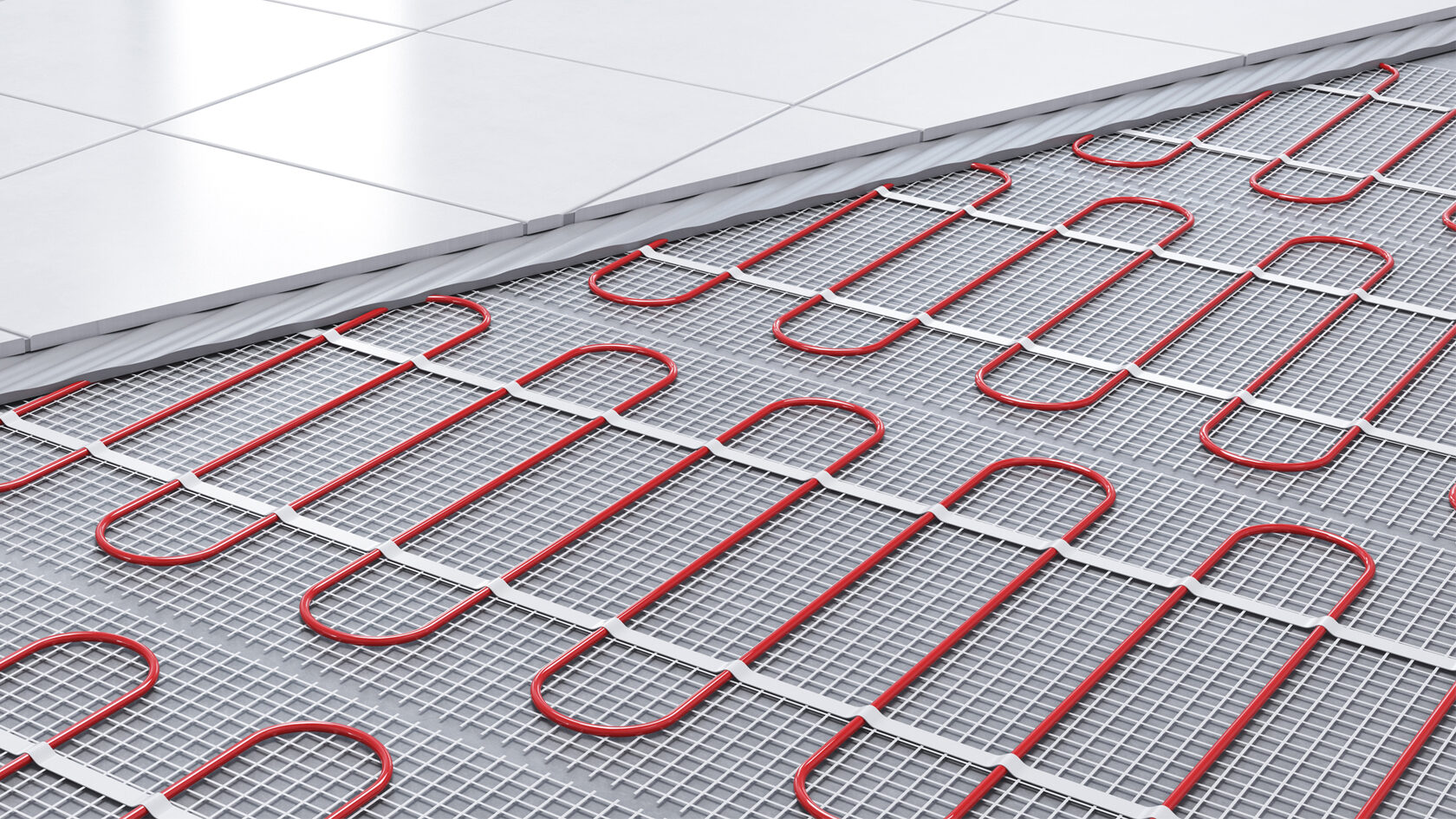
Ceramic tile remains the preferred flooring choice for bathrooms, kitchens, and entryways. It is water-resistant, easy to clean, and retains its appearance for decades. However, it has one major drawback—it feels cold. Even in a well-heated home, stepping barefoot onto a porcelain tile floor can be unpleasant. An electric underfloor heating system solves this problem completely.
In this article, we'll explore the available heating solutions for tiled floors, explain how they differ, and highlight the factors that truly matter when choosing the right system.
In this article, we'll explore the available heating solutions for tiled floors, explain how they differ, and highlight the factors that truly matter when choosing the right system.
Underfloor Heating: A Practical Standard, Not a Luxury
Ask yourself: Which room do you enter first every morning?
For most people, it's the bathroom. Stepping onto a cold tiled floor is an unpleasant shock that forces the body to adapt rather than helping you start the day comfortably.
Installing underfloor heating in a bathroom, shower room, or walk-in closet is no longer a luxury—it's a practical way to create a healthier and more comfortable indoor environment. It helps eliminate dampness, reduces the risk of mold developing in tile joints, and most importantly, provides a pleasantly warm and dry floor underfoot.
In kitchens and entryways, underfloor heating also acts as a gentle drying system. Wet shoes, spilled water, and regular floor cleaning dry much faster, helping extend the service life of tile adhesive and grout.
For these reasons, electric underfloor heating beneath tile has become a worldwide standard in modern construction and renovation—not an option reserved for premium homes.
For most people, it's the bathroom. Stepping onto a cold tiled floor is an unpleasant shock that forces the body to adapt rather than helping you start the day comfortably.
Installing underfloor heating in a bathroom, shower room, or walk-in closet is no longer a luxury—it's a practical way to create a healthier and more comfortable indoor environment. It helps eliminate dampness, reduces the risk of mold developing in tile joints, and most importantly, provides a pleasantly warm and dry floor underfoot.
In kitchens and entryways, underfloor heating also acts as a gentle drying system. Wet shoes, spilled water, and regular floor cleaning dry much faster, helping extend the service life of tile adhesive and grout.
For these reasons, electric underfloor heating beneath tile has become a worldwide standard in modern construction and renovation—not an option reserved for premium homes.
Two Heating Solutions for Tiled Floors: Heating Cable or Heating Mat
There are two primary electric heating systems designed for installation beneath ceramic tile:
Many homeowners assume these are completely different technologies. In reality, both systems use the same heating cable. The difference lies in the installation method and the applications for which each system is designed.
- Heating cable installed in a screed
- Heating mat
Many homeowners assume these are completely different technologies. In reality, both systems use the same heating cable. The difference lies in the installation method and the applications for which each system is designed.
Heating Cable
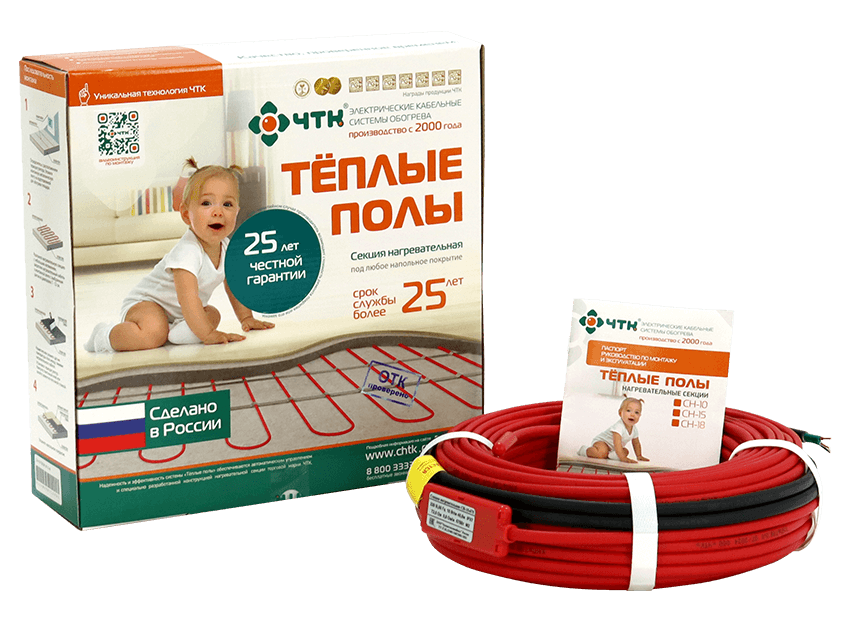
Heating cables are supplied as ready-to-install heating sections with a factory-connected cold lead. The cable is laid according to a custom installation pattern and embedded in a 30–50 mm cement-sand screed.
This solution requires a properly designed cable layout, calculation of cable spacing, and, where necessary, reinforcement of the screed. Once installed, the heating system becomes an integral part of the floor structure.
Heating Cable System Characteristics
Heating cable systems are ideal for:
This solution requires a properly designed cable layout, calculation of cable spacing, and, where necessary, reinforcement of the screed. Once installed, the heating system becomes an integral part of the floor structure.
Heating Cable System Characteristics
- Construction height: 50–70 mm above the subfloor
- Ready for operation: 28 days (after the screed has fully cured)
- Independent heating zones: Yes (different cable spacing can be used in different areas)
- Heat storage: High (the concrete screed acts as a thermal mass)
- Expected service life: More than 50 years when installed correctly
Heating cable systems are ideal for:
- New construction projects
- Homes with unfinished concrete floors
- Private houses
- Underfloor heating used as the primary heating system
- Rooms with complex layouts requiring customized heating patterns
Heating Mat
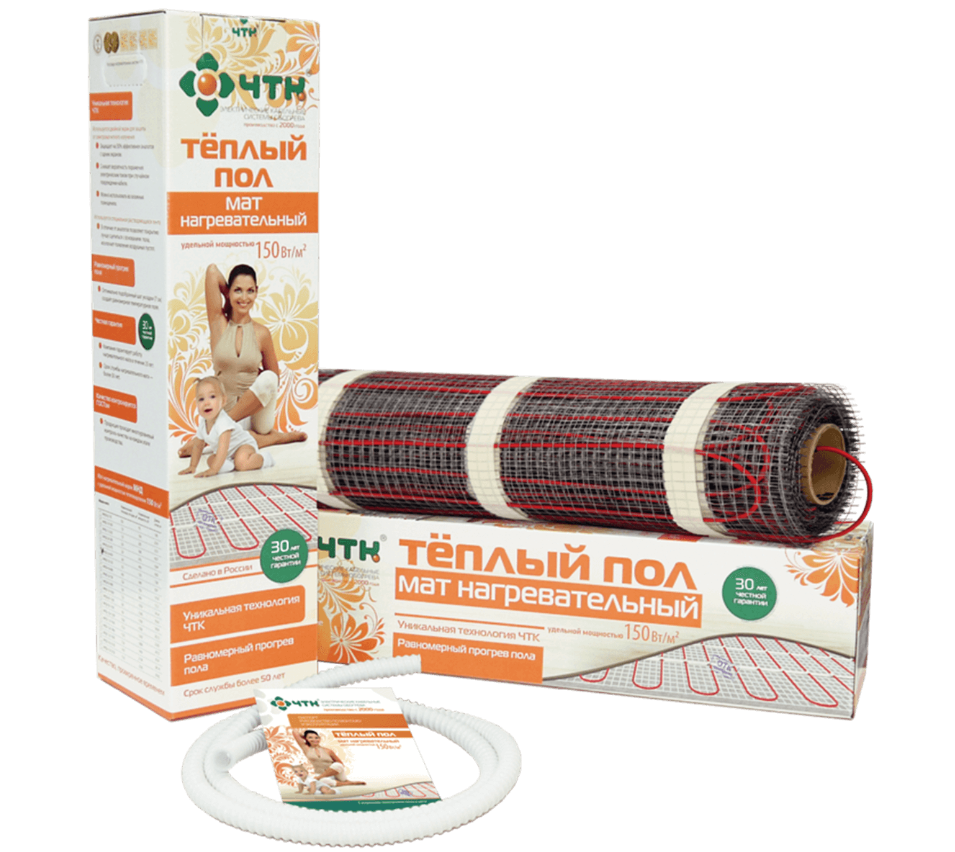
A heating mat consists of a thin heating cable pre-attached to a fiberglass mesh at a fixed spacing.
The mat is rolled directly onto the prepared floor, embedded in a 5–10 mm layer of tile adhesive, and immediately covered with ceramic tile. No additional screed is required.
Heating Mat Installed Directly Under Tile
Heating Mat Installed in a Screed
Heating mats may also be embedded in a concrete screed when required.
Recommended Applications
Heating mats are commonly chosen for:
Both systems are proven and reliable solutions. The right choice depends entirely on the characteristics of the room and the goals of the project. Neither system is universally better—they are simply designed for different installation conditions and performance requirements.
The mat is rolled directly onto the prepared floor, embedded in a 5–10 mm layer of tile adhesive, and immediately covered with ceramic tile. No additional screed is required.
Heating Mat Installed Directly Under Tile
- Construction height: 10–20 mm above the subfloor
- Ready for operation: 7–10 days
- Independent heating zones: No (fixed heating output per square meter)
- Heat storage: Low (rapid heating and cooling)
- Expected service life: More than 50 years when installed correctly
Heating Mat Installed in a Screed
Heating mats may also be embedded in a concrete screed when required.
- Construction height: 50–70 mm above the subfloor
- Ready for operation: 28 days
- Independent heating zones: No
- Heat storage: High (slower heat-up and longer heat retention)
- Expected service life: More than 50 years when installed correctly
Recommended Applications
Heating mats are commonly chosen for:
- Renovation projects
- Installation beneath ceramic tile
- Installation over existing tile
- Projects with limited floor height
- Fast-track installations
- Cost-sensitive projects
Both systems are proven and reliable solutions. The right choice depends entirely on the characteristics of the room and the goals of the project. Neither system is universally better—they are simply designed for different installation conditions and performance requirements.
Common Questions Buyers Ask
"What if the heating cable fails inside the screed?"
A high-quality heating cable is designed for decades of reliable operation and has an extremely low failure rate.
In practice, failures occur only under two circumstances:
When you purchase from a reputable manufacturer, you receive a warranty of 25 years or more and an expected service life exceeding 50 years.
A high-quality heating cable is designed for decades of reliable operation and has an extremely low failure rate.
In practice, failures occur only under two circumstances:
- A manufacturing defect (virtually eliminated through multi-stage quality control at a full-cycle manufacturing facility).
- Serious installation errors, such as energizing the system before the screed has fully cured, overlapping cable runs, or mechanical damage during installation.
When you purchase from a reputable manufacturer, you receive a warranty of 25 years or more and an expected service life exceeding 50 years.
"Heating mats are easier to install. Why make things more complicated?"
Heating mats are indeed quicker and easier to install. If your floor is already level, floor height is limited, and you're working within a tight budget, a heating mat can be an excellent solution.
However, it's important to understand one key difference.
A heating mat is embedded directly in the tile adhesive. When the tile is eventually replaced—typically after 15–20 years—the heating cable will most likely be damaged during removal.
A heating cable installed inside a concrete screed, on the other hand, can outlast several generations of floor coverings.
Heating mats are indeed quicker and easier to install. If your floor is already level, floor height is limited, and you're working within a tight budget, a heating mat can be an excellent solution.
However, it's important to understand one key difference.
A heating mat is embedded directly in the tile adhesive. When the tile is eventually replaced—typically after 15–20 years—the heating cable will most likely be damaged during removal.
A heating cable installed inside a concrete screed, on the other hand, can outlast several generations of floor coverings.
"Won't underfloor heating dramatically increase my electricity bills?"
Electric underfloor heating is designed to provide comfortable floor temperatures, not to heat the room to excessive levels.
Modern programmable thermostats typically operate the system for only 4–6 hours per day, maintaining a comfortable floor temperature of approximately 24–26°C.
A high-quality heating cable with precisely controlled conductor dimensions and stable electrical resistance consumes only the energy required—without unnecessary power losses.
In practice, an electric underfloor heating system installed in a 4 m² bathroom typically consumes around 200–300 kWh per year.
Electric underfloor heating is designed to provide comfortable floor temperatures, not to heat the room to excessive levels.
Modern programmable thermostats typically operate the system for only 4–6 hours per day, maintaining a comfortable floor temperature of approximately 24–26°C.
A high-quality heating cable with precisely controlled conductor dimensions and stable electrical resistance consumes only the energy required—without unnecessary power losses.
In practice, an electric underfloor heating system installed in a 4 m² bathroom typically consumes around 200–300 kWh per year.
"Can a heating mat be installed under large-format porcelain tiles?"
Yes—but with certain considerations.
Large-format porcelain tiles require a thicker adhesive layer and an exceptionally flat substrate. In some cases, a heating mat may not provide sufficient heat transfer through the increased tile mass.
A heating cable embedded in a screed generally delivers more consistent performance because the concrete distributes heat evenly across the entire floor while acting as a thermal storage layer.
Yes—but with certain considerations.
Large-format porcelain tiles require a thicker adhesive layer and an exceptionally flat substrate. In some cases, a heating mat may not provide sufficient heat transfer through the increased tile mass.
A heating cable embedded in a screed generally delivers more consistent performance because the concrete distributes heat evenly across the entire floor while acting as a thermal storage layer.
What to Look for When Choosing a Heating Cable
If you've decided on a cable-based underfloor heating system, three factors deserve particular attention.
1. Specific Heating Output
For bathrooms and kitchens, a heating output of 150–180 W/m² is generally sufficient.
Areas with higher heat loss—such as rooms with panoramic glazing, balconies, or ground-floor installations—typically require 200–250 W/m².
2. Cable Construction
Twin-core shielded heating cables are generally preferred over single-core designs.
The protective shield helps reduce electromagnetic fields (EMF) to safe levels while minimizing electrical interference.
The insulation should be made of cross-linked polyethylene (XLPE), a material known for its long-term resistance to aging, heat, and cracking within concrete.
3. Manufacturing Quality and Traceability
Choose heating cables manufactured by a full-cycle production facility.
Only complete in-house manufacturing provides full control over insulation quality, conductor cross-section, and the reliability of factory-installed joints.
The product should also carry mandatory EAC certification, confirming compliance with applicable safety requirements.
1. Specific Heating Output
For bathrooms and kitchens, a heating output of 150–180 W/m² is generally sufficient.
Areas with higher heat loss—such as rooms with panoramic glazing, balconies, or ground-floor installations—typically require 200–250 W/m².
2. Cable Construction
Twin-core shielded heating cables are generally preferred over single-core designs.
The protective shield helps reduce electromagnetic fields (EMF) to safe levels while minimizing electrical interference.
The insulation should be made of cross-linked polyethylene (XLPE), a material known for its long-term resistance to aging, heat, and cracking within concrete.
3. Manufacturing Quality and Traceability
Choose heating cables manufactured by a full-cycle production facility.
Only complete in-house manufacturing provides full control over insulation quality, conductor cross-section, and the reliability of factory-installed joints.
The product should also carry mandatory EAC certification, confirming compliance with applicable safety requirements.
CHTK Products: An Engineering Approach to Underfloor Heating
Chuvashteplokabel has been manufacturing heating cables since 2000.
As a full-cycle manufacturer, the company controls every production stage—from insulated conductors to completed heating sections supplied with factory-installed joints, installation instructions, and packaging.
Every production step is monitored by the company's Quality Control Department.
What Full-Cycle Manufacturing Means for the Customer
CHTK heating cables have been developed by the company's engineering team using decades of manufacturing experience and extensive analysis of European heating technologies.
Several design solutions used in CHTK products have no direct equivalent on the Russian market.
Every product is supplied with a Certificate of Conformity confirming electrical safety and electromagnetic compatibility.
Not only the products but also the company's trademarks—including CHTK, Melody of Warmth, SoGreate!, and FLOORIDA—are officially registered, helping protect customers from counterfeit products.
As a full-cycle manufacturer, the company controls every production stage—from insulated conductors to completed heating sections supplied with factory-installed joints, installation instructions, and packaging.
Every production step is monitored by the company's Quality Control Department.
What Full-Cycle Manufacturing Means for the Customer
- Consistent product quality from batch to batch.
- Inspection of every production coil before packaging.
- Full traceability of raw materials.
- A genuine warranty of 25 years or more and an expected service life exceeding 50 years.
CHTK heating cables have been developed by the company's engineering team using decades of manufacturing experience and extensive analysis of European heating technologies.
Several design solutions used in CHTK products have no direct equivalent on the Russian market.
Every product is supplied with a Certificate of Conformity confirming electrical safety and electromagnetic compatibility.
Not only the products but also the company's trademarks—including CHTK, Melody of Warmth, SoGreate!, and FLOORIDA—are officially registered, helping protect customers from counterfeit products.
Practical Recommendations
Plan the heating system before construction begins. Even a simple underfloor heating installation requires a proper layout. Don't rely on installers to "figure it out on site."
Use high-quality thermal insulation on ground floors and balconies. A layer of rigid extruded polystyrene insulation beneath the screed can reduce downward heat loss by 30–40%.
Measure and record electrical resistance before and after pouring the screed. Documenting insulation resistance and conductor resistance is essential for validating any future warranty claim.
Don't save money on the thermostat. Mechanical thermostats are less expensive, but programmable digital models typically pay for themselves within one or two heating seasons through improved energy efficiency.
Entrust installation to qualified professionals. Manufacturers often work with certified installation partners. Experienced installers help avoid common mistakes such as overlapping cables, insulation damage during installation, or energizing the system before the screed has fully cured.
Use high-quality thermal insulation on ground floors and balconies. A layer of rigid extruded polystyrene insulation beneath the screed can reduce downward heat loss by 30–40%.
Measure and record electrical resistance before and after pouring the screed. Documenting insulation resistance and conductor resistance is essential for validating any future warranty claim.
Don't save money on the thermostat. Mechanical thermostats are less expensive, but programmable digital models typically pay for themselves within one or two heating seasons through improved energy efficiency.
Entrust installation to qualified professionals. Manufacturers often work with certified installation partners. Experienced installers help avoid common mistakes such as overlapping cables, insulation damage during installation, or energizing the system before the screed has fully cured.
Conclusion
Both heating cables embedded in a screed and heating mats installed beneath tile are excellent solutions. The right choice depends on the specific project.
Choose a heating cable or a heating mat installed in a screed if you are:
Choose a heating mat if you are:
Above all, don't compromise on the quality of the heating cable itself.
Whether installed in concrete or tile adhesive, the cable operates under demanding conditions for decades. Low-cost alternatives with thin insulation or inconsistent conductor dimensions may fail after only 5–7 years.
CHTK heating systems are engineered for a service life of more than 25 years, supported by robust design, premium materials, a long-term warranty, and the experience of thousands of satisfied customers.
Need a Professional Heating System Design?
Send your floor plan to the CHTK engineering team.
We'll prepare a detailed specification, calculate the required heating output, and, if needed, recommend a qualified installation contractor in your region.
An underfloor heating system is installed once—make sure it's installed right.
Choose a heating cable or a heating mat installed in a screed if you are:
- Building a new home.
- Carrying out a major renovation.
- Looking for a long-lasting, energy-efficient heating solution.
Choose a heating mat if you are:
- Renovating an existing floor.
- Working with limited floor height.
- Looking for the fastest and simplest installation.
Above all, don't compromise on the quality of the heating cable itself.
Whether installed in concrete or tile adhesive, the cable operates under demanding conditions for decades. Low-cost alternatives with thin insulation or inconsistent conductor dimensions may fail after only 5–7 years.
CHTK heating systems are engineered for a service life of more than 25 years, supported by robust design, premium materials, a long-term warranty, and the experience of thousands of satisfied customers.
Need a Professional Heating System Design?
Send your floor plan to the CHTK engineering team.
We'll prepare a detailed specification, calculate the required heating output, and, if needed, recommend a qualified installation contractor in your region.
An underfloor heating system is installed once—make sure it's installed right.